Re-setting the Trauma of Homelessness
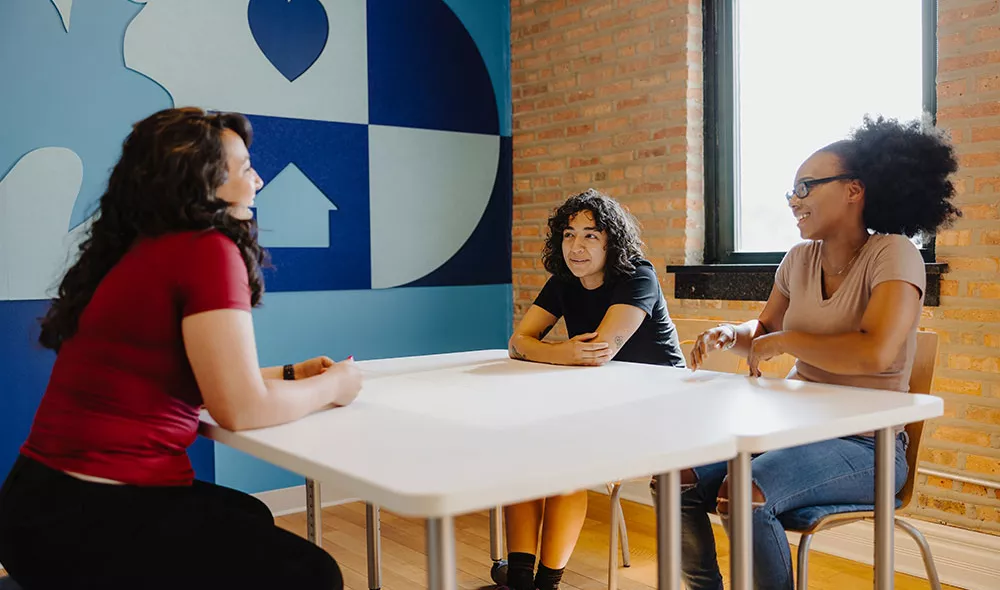
So often, when a person thinks of the work Covenant House does to protect youth facing homelessness and human trafficking, they think of those heroic actions taken in moments of crisis: A young woman falling into the hands of a would-be trafficker; a child traveling solo in a country not their own rescued by one of our outreach teams; a youth who has finally said, “Enough” welcomed into our house in the dead of the night.
All these stories are true. It is also true that our staff can respond the way they do — and accompany youth through the hard work of healing — because they are equipped with and constantly hone the essential tools that allow them to do so.
On our way to ending youth homelessness as we know it and following the strategy we outlined in our plan, The Journey Home, Covenant House has set itself intermittent goals to keep us advancing toward that day. One of these is the unification of our program model by 2028, including standardized training for all staff. Our program model is foundational to the way we do our work and build transformational relationships with young people. Among the essential approaches it contemplates is the Community Resiliency Model, or CRM.
What is the Community Resiliency Model?
“CRM is a set of six wellness skills to be used during times of distress,” says Regina Jennings, Covenant House vice president of programs. “Through cutting-edge neuroscience, the model relies on our individual abilities to notice specific sensations when we are under stress.”
In the language of the founders of the approach, The Trauma Institute, “The primary focus of this skills-based, stabilization program is to re-set the natural balance of the nervous system. CRM’s goal is to help create ‘trauma-informed’ and ‘resiliency-focused’ communities that share a common understanding of the impact of trauma and chronic stress on the nervous system and how resiliency can be restored or increased using this skills-based approach.”
It’s a mouthful. But CRM has been proven to help communities through traumatic events like war, natural disasters — and homelessness.
Why is CRM Appropriate for Covenant House Youth?
“Acknowledging and understanding the stress and often prolonged trauma that Covenant House youth experience resulting from homelessness is key to recognizing their behavior,” Regina says. “The challenges they often experience with logic, reason, and decision-making are directly tied to the survival state they’re in when they come to our programs.
“Those responses are instinctive whenever there’s a perceived threat, and they’re heightened based on persistent exposure to danger or maximum stress,” she says.
Think of that young woman being threatened by a trafficker, or child or youth who can’t figure out where their next meal will come from, or the one after that; imagine being constantly hungry, cold, and alone.
Building a Strong, Healing Community
“CRM provides a full understanding of how our brains work and gives us common language to support healing and healthy strategies for stress management,” Regina says. Staff who are trained in CRM use its skills in their interactions with youth and, also, pass on those skills to the young people, who pass them on to other young people.
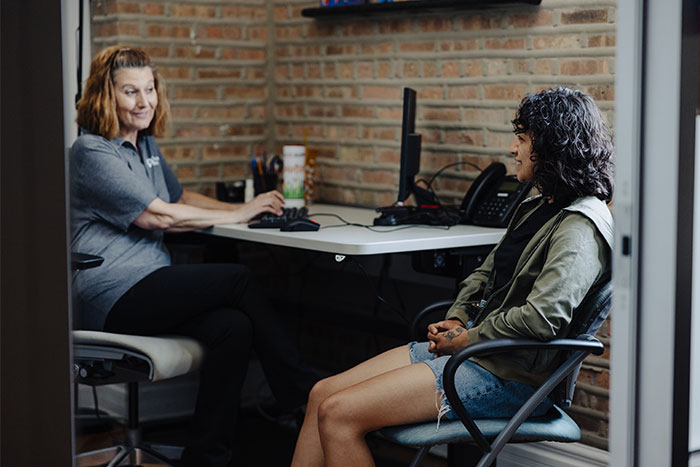
At Covenant House Georgia, where CRM workshops have been in place for over a decade for both staff and youth, a common language has evolved that allows them to adapt positively in the context of significant adversity, Regina says.
“Youth who pick up the skills and use them regularly become CRM guides as they influence their peers to learn how to cultivate their own well-being. It’s been phenomenal to watch youth talking to other youth about the brain and the nervous system!” she says. “In a very profound way, youth recognize that in many instances, their reactions and responses to stress are not their fault but a function of their human biology.”
CRM and The Journey Home
Currently, eight Covenant House sites have trained CRM instructors on staff, a number that will grow with the unification across our 34-site federation of our trauma-informed, resiliency-focused program model.
Covenant House has long said that our youth are much more than their experience of homelessness. In helping them hit the “re-set” button on their nervous system and instinctive responses to trauma, CRM allows youth to regain their natural balance and perspective, so they can chase the dreams that homelessness interrupted.
One action you can take today: Sign up for our newsletter to stay updated on our progress and learn how you can help support our work to promote healing and wholeness for youth facing homelessness and make youth homelessness a thing of the past.
Get news, stories, and insights delivered right to your inbox.
You Might Also Like...
All news & insights

Help Build Brighter Futures for our Youth
Your gift today provides services and support to young people on their journey toward sustainable independence and a hope-filled future.